
Planning and supervising hikes for youth groups: questions every leader should ask
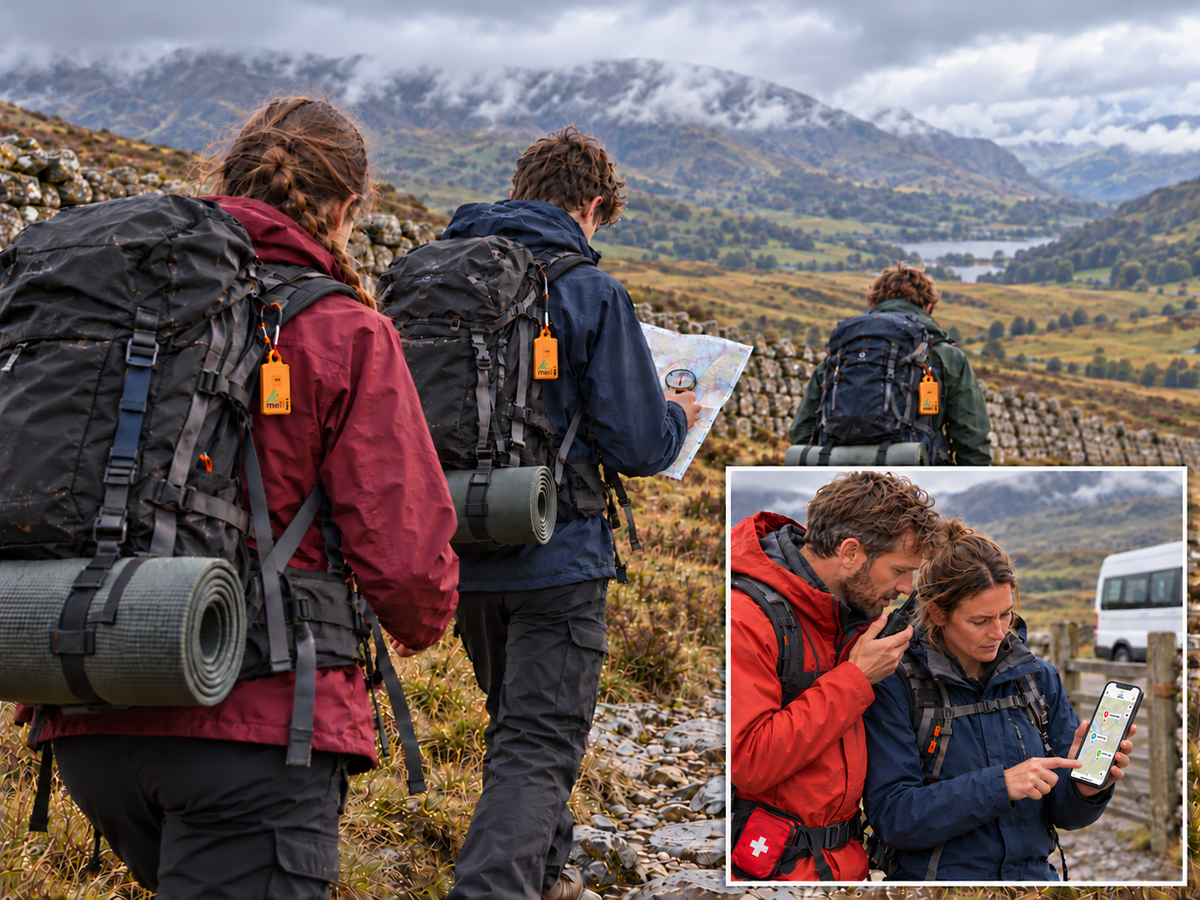
Getting young people outdoors, and letting them do things without an adult beside them, is one of the most valuable things youth groups do. It builds confidence, judgement and independence. But in recent years, inquests into deaths on youth activities have put the planning and supervision of those activities under close scrutiny, and made clear that the leaders responsible are personally accountable for the decisions they make.
This guide sets out the questions every leader should be able to answer before young people set off, whether on a planned expedition or a walk added on the day.
1. Does every activity have a plan, including the unplanned ones?
Plans change on almost every trip: bad weather, a closed campsite, spare time on a free afternoon. The question is whether your group has a way to plan and risk assess a new activity before it starts, even when it’s added at short notice. If a walk wasn’t on the original programme, it still needs a route, a risk assessment and a supervision plan.
2. Who is supervising, and how?
When young people are supervised remotely, the leader is still responsible for them. A supervision plan should set out how many young people are in each group, how leaders will stay in contact (checkpoints, shadowing, sweeping and technology), and where the higher-risk points on the route are. Scouts’ guidance is clear that technology such as location trackers can be part of this, but should never be the only arrangement.
3. Do the leaders have the skills for the ground being covered?
Youth organisations run permit and qualification schemes so that the adults leading young people in particular terrain have been assessed as competent to do so. Check that the permits and qualifications held match the ground being covered, including on an unplanned walk, and that someone checks before the group sets off.
4. What are the instructions if the group spreads out?
Groups spread out on almost every walk. Agree in advance, and make sure every young person understands, the rules about staying together, regrouping at landmarks, keeping to safe paths and what to do if they become separated. Clear instructions are among the simplest safeguards there are.
5. What happens in an emergency?
Every leader and every young person should know what to do if someone is injured or the group is lost: who to call, how to call them, and what to do if there’s no phone signal. The emergency plan should be part of the risk assessment, not an afterthought.
Where technology fits
Location trackers can help leaders see where groups are, notice early when someone becomes separated, and respond quickly when something goes wrong. But they support good supervision; they don’t replace it. Planning, risk assessment, competent leaders and clear instructions come first, and the guidance from Scouts and the DofE makes exactly the same point.


Comments